
 عربي
عربي عربي
عربي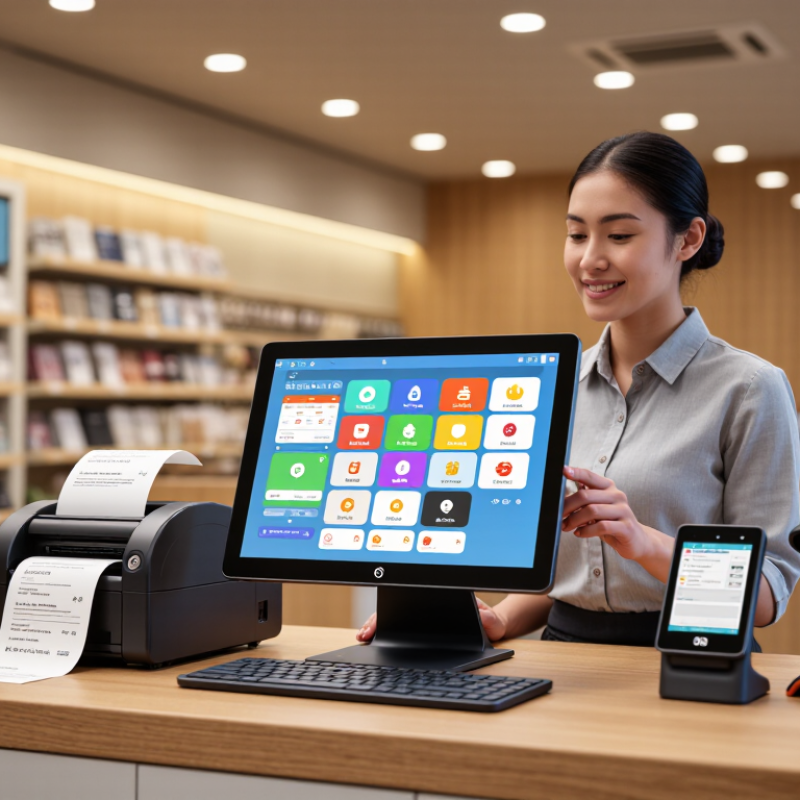
Choosing the best POS terminal starts with the payment environment, not the screen size. A countertop terminal suits fixed tills and busy queues. Mobile terminals help cafés, markets, and tableside service. Integrated terminals reduce rekeying between checkout and inventory systems. Unattended units need strong physical protection and simple instructions. My first shortlist was wrong. I overvalued speed and ignored receipt access during a crowded lunch period.
Payment flexibility matters. The 2024 Global Payments Report from Worldpay states that digital wallets represented 30% of global point-of-sale transaction value in 2023. The Federal Reserve’s 2024 Diary of Consumer Payment Choice reports that cash still represented 16% of consumer payments in 2023. Therefore, a capable terminal should accept contactless cards, chip cards, mobile wallets, and cash workflows where relevant. Check connection recovery, battery life, offline rules, screen readability, and accessibility. Security should follow current payment-security guidance, including PCI DSS requirements. Features alone do not create reliability.
Tips: Test the terminal during your busiest ten minutes. Watch queue movement, failed taps, receipt changes, and staff mistakes. Ask whether payment data is encrypted from capture to authorization. Confirm software updates, support hours, replacement procedures, and transaction reporting before signing. A cheaper device may cost more when downtime interrupts sales. I still question whether every business needs every payment method; customer behavior and operating conditions should decide.