
Towing with a Gooseneck Trailer can be a rewarding experience. However, many truck owners face challenges while on the road. Understanding these tips can significantly improve your towing journey.
A Gooseneck Trailer offers enhanced stability. But this stability comes with responsibilities. Proper setup is essential—mismatched hitch heights can lead to dangerous swaying. Take time to ensure everything fits well.
Moreover, check your trailer lights regularly. Faulty lights can lead to incidents. Neglecting safety measures can be costly. During long hauls, watch for wear on tires. A blowout can ruin your trip quickly. Each detail matters in towing; overlook one, and it might cost you dearly.
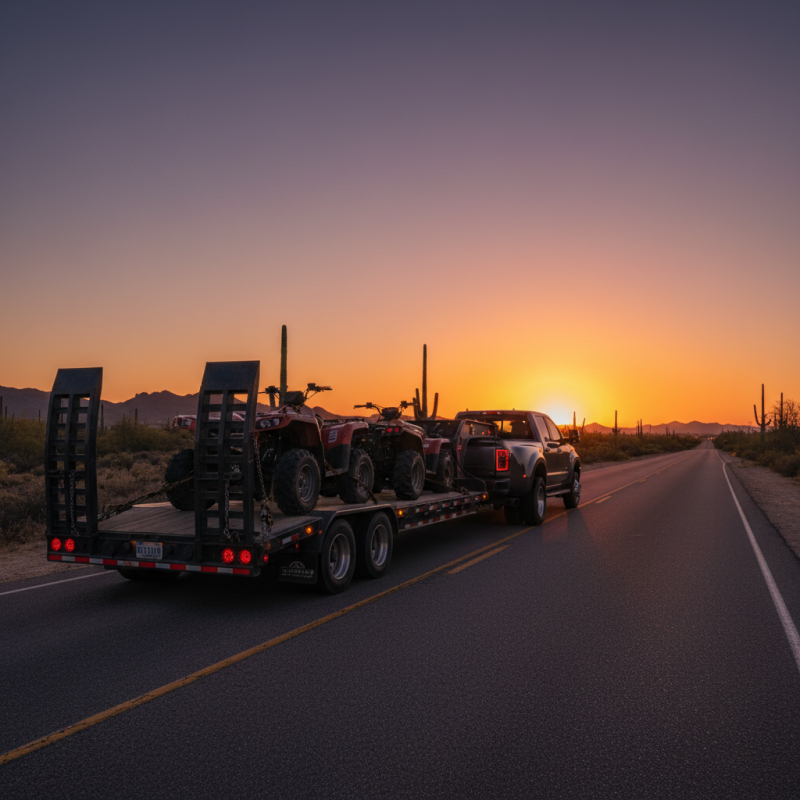
When selecting a gooseneck trailer, understanding specifications is crucial. Pay attention to the trailer's weight capacity. This determines how much you can safely haul. If you exceed this limit, you risk accidents or damage. Often, trailers vary in design, impacting their performance under load.
Consider the hitch type. The gooseneck hitch typically offers better stability compared to traditional ball hitches. A properly installed hitch can make a huge difference. Check the trailer’s axle configuration as well. Tandem axles provide additional support, but they also require more careful maneuvering.
Don’t overlook the trailer length and width. A longer trailer can create challenges during turns. If the width doesn’t match your towing vehicle, handling might become tricky. These details matter greatly when you're on the road. A little extra effort in planning can enhance your overall towing experience.
When towing a gooseneck trailer, weight distribution plays a crucial role in stability. Proper weight distribution helps prevent swaying. It ensures sufficient traction on the towing vehicle. When the weight is centered, you’ll notice a difference in handling. Uneven weight can lead to dangerous situations.
One important tip is to load heavy items toward the front of the trailer. This creates a balanced load and reduces the risk of fishtailing. Ensure you have the correct hitch height. A mismatched height can lead to instability. It’s vital to check your load before hitting the road.
Consider using a weight distribution hitch. It can help distribute the weight evenly across both the trailer and the towing vehicle. Regularly inspect your setup. Look for any signs of wear or malfunction. Ignoring these can lead to serious issues. Stay proactive for a safer towing experience.
When it comes to towing with a gooseneck trailer, choosing the right hitch is crucial. There are different hitch types suited for various applications. For heavy-duty needs, a fixed gooseneck hitch provides stability. It ensures the weight is evenly distributed. This hitch type is often used for transporting livestock or heavy equipment.
For lighter loads, a sliding gooseneck hitch is ideal. It allows the trailer to move slightly. This can be beneficial for tight turns. However, it might require more effort to install. Some users find that adjusting it can be challenging. Consider this before making your choice.
Remember, safety is paramount. Always check your hitch compatibility with your truck. Each vehicle has different limits. Too heavy a load can be dangerous. Make sure to secure all connections before hitting the road. A thorough inspection can save you from potential mishaps. Pay attention to these details for a smoother towing experience.
Maintaining a gooseneck trailer is crucial for safety and longevity. Regular inspections can prevent major issues. A study showed that 80% of trailer accidents result from maintenance neglect. Keeping tires properly inflated is vital. Tires wear unevenly when pressure is low. This simple step can reduce blowouts significantly.
Lubrication is another important aspect. Greasing your gooseneck connections regularly prevents harmful friction. This can extend the lifespan of your trailer components. Many owners overlook this routine task. Skipping lubrication can lead to costly repairs. Over 50% of trailer issues arise from lack of proper maintenance.
Check your brakes frequently, too. Research indicates that brake failure contributes to 30% of towing accidents. Inspect brake pads and lines for wear and tear. Replace them as necessary. Don't forget about the lights. Functioning lights are essential for visibility. A well-maintained gooseneck trailer ensures a safer towing experience. Every detail counts in safeguarding your investment.
When towing with a gooseneck trailer, understanding towing capacity is crucial. Many vehicles have specific ratings that determine how much weight they can safely pull. According to the International Trailer and Towing Association, the right match between the truck and trailer can significantly enhance safety and performance. The ideal towing capacity should exceed the weight of the trailer, including its load. For instance, if your gooseneck trailer weighs 8,000 pounds and carries another 4,000 pounds, your vehicle should ideally have a towing capacity of at least 12,000 pounds.
Beyond numbers, there are practical aspects to consider. A vehicle with a higher towing capacity often has improved brakes, better suspension, and enhanced stability features. However, many drivers overlook the importance of payload. Most gooseneck trailers have a pin weight that can impact how your vehicle handles. If the weight distribution is uneven, it can lead to swaying or even accidents. Research shows that improper load distribution is a leading cause of towing mishaps. This makes careful planning essential.
Drivers should regularly consult their vehicle’s manual for specific towing capacities. Ignoring these figures can lead to serious dangers on the road. Remember, upgrading your vehicle isn’t just about numbers. It’s about ensuring a comfortable, safe towing experience.