
Pickup Trucks have carved a significant niche in the automotive world. They combine functionality with rugged style. More people are drawn to the appeal of a pickup truck than ever before.
These vehicles offer impressive towing capacities. They are perfect for hauling heavy loads, whether for work or recreation. People often use them for outdoor adventures, road trips, or simply for daily commuting. The versatility of a pickup truck is remarkable.
However, the popularity of these vehicles raises questions. Are people choosing them for utility or status? The trend shows a blend of both. While many appreciate their practicality, others flaunt them for their bold design. Reflecting on this shift sheds light on modern consumer preferences.
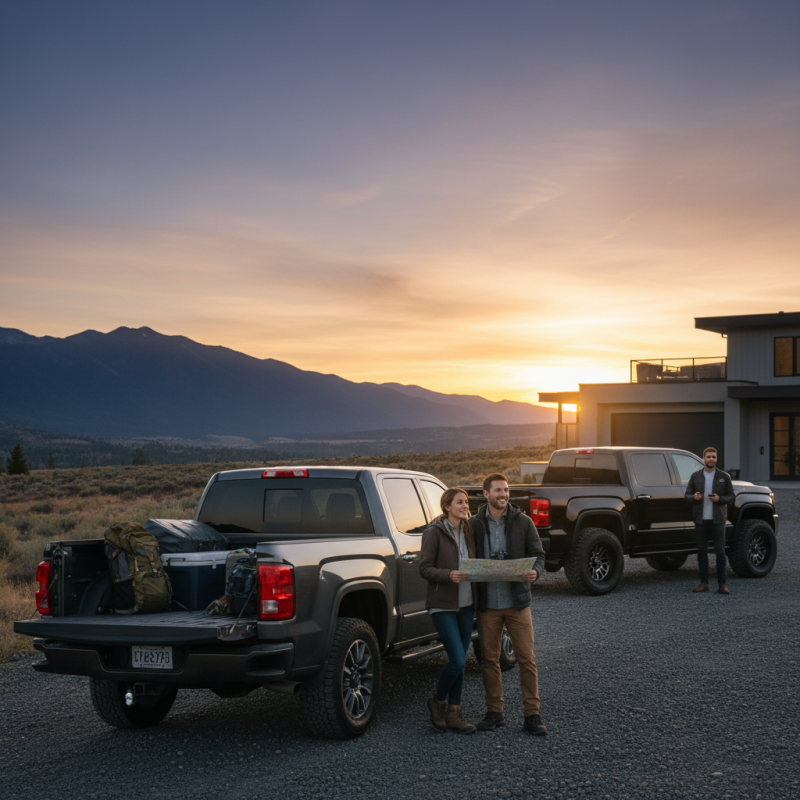
Pickup trucks are defined by several key characteristics. These vehicles typically feature an open cargo bed at the back. This design makes them distinct from other vehicle types. The cargo area is ideal for transporting a variety of items, from construction materials to camping gear. The sturdy build of pickup trucks often allows them to carry heavy loads.
Another defining feature is their higher ground clearance. This not only adds a rugged look but also improves off-road capability. Many pickup trucks come with powerful engines for towing and hauling tasks. Their spacious cabins often accommodate multiple passengers, making them versatile for work and leisure.
However, the popularity of pickups doesn't come without criticism. Some argue they consume more fuel than standard cars. Their size can make urban driving challenging. Additionally, parking in tight spaces may pose difficulties. These factors invite reflection on whether a pickup truck is the best choice for everyone. Yet, the allure of versatility keeps many drivers faithful to these powerful vehicles.
The pickup truck's journey began as a practical tool for farmers and laborers. In the early 20th century, these vehicles emerged to transport goods efficiently. They were utilitarian, focusing on function over form. However, they were not the most stylish option. Many viewed them merely as workhorses.
Over the decades, pickup trucks have evolved significantly. The introduction of more comfortable interiors started to attract a broader audience. Families began to use them too. New features like four-wheel drive and towing capabilities further increased their appeal. But some still questioned their practicality and fuel efficiency. The shift from utility to style was sometimes disjointed. For many, it meant grappling with the challenge of balancing work and personal life.
Today, pickup trucks symbolize freedom and adventure. Yet, this popularity raises questions about their environmental impact. As they become mainstream, can they still maintain their rugged appeal? Or do they risk becoming just another vehicle on the road? The historical evolution of pickup trucks is a journey worth reflecting upon.
Pickup trucks are becoming increasingly popular among consumers. Recent market trends indicate a notable rise in pickup truck sales. According to industry reports, the segment experienced a 15% growth last year. This surge reflects a shift in consumer preferences, with many buyers seeking versatility and capability.
Buyers often desire vehicles that can handle both daily commuting and rugged tasks. Pickup trucks provide ample cargo space and towing capacity, making them appealing for diverse lifestyles. Research shows that 50% of pickup truck owners use their vehicles for work-related activities. However, fluctuating fuel prices can influence purchasing decisions. Some potential buyers hesitate, worried about fuel efficiency.
This trend also reveals a growing interest in electric pickups. A study found that 30% of consumers would consider an electric pickup for their next purchase. But concerns about charging infrastructure remain. It's a complex landscape where consumer demands and market dynamics constantly evolve. The pickup truck segment must adapt to these changing preferences to maintain its upward trajectory.
Pickup trucks have captured the interest of many due to their unique blend of versatility and practicality. Their open cargo bed allows for transporting various items easily. Whether you’re hauling lumber for a weekend project or loading bikes for a family trip, the adaptability is clear. This flexibility appeals to outdoor enthusiasts and workers alike.
Performance is another key aspect of pickup trucks. They often have powerful engines that can tow heavy loads. This capacity makes them ideal for those who need to work in rugged conditions. Driving a pickup can feel different. They are larger and can be challenging in tight spots. Yet, many drivers enjoy the commanding view of the road.
Practicality plays a crucial role in their popularity as well. These vehicles can serve multiple purposes—both for work and leisure. However, they can also come with higher fuel costs. This aspect can lead to reflection on daily expenses. In some urban areas, parking is a challenge with larger trucks. Still, the practical benefits often outweigh these concerns for countless drivers.
Pickup trucks have gained immense popularity, largely due to their versatility and functionality. However, the environmental impact and fuel efficiency of these vehicles warrant careful consideration. According to a report by the Environmental Protection Agency, light trucks, including pickups, accounted for nearly 25% of greenhouse gas emissions in the transportation sector in 2021. This emphasizes the importance of innovations focused on reducing fuel consumption.
Many manufacturers are now investing in advanced technologies. For instance, adopting lightweight materials can enhance fuel efficiency significantly. Studies indicate that reducing vehicle weight by 10% can improve fuel economy by 6% to 8%. Hybrid and electric pickup trucks are also emerging. They promise lower emissions and better efficiency, appealing to eco-conscious consumers. Yet, the challenges remain. Many consumers are still reluctant to switch, often prioritizing performance over eco-friendliness.
While advancements are being made, the industry must address critical issues. Charge infrastructure for electric pickups is sparse in many areas. Many consumers also worry about battery life and charging times. The balance between performance and sustainability continues to be a topic of debate. As trends evolve, the true impact of these innovations will reveal itself in the coming years.